
How To Learn Iraqi Arabic

Author
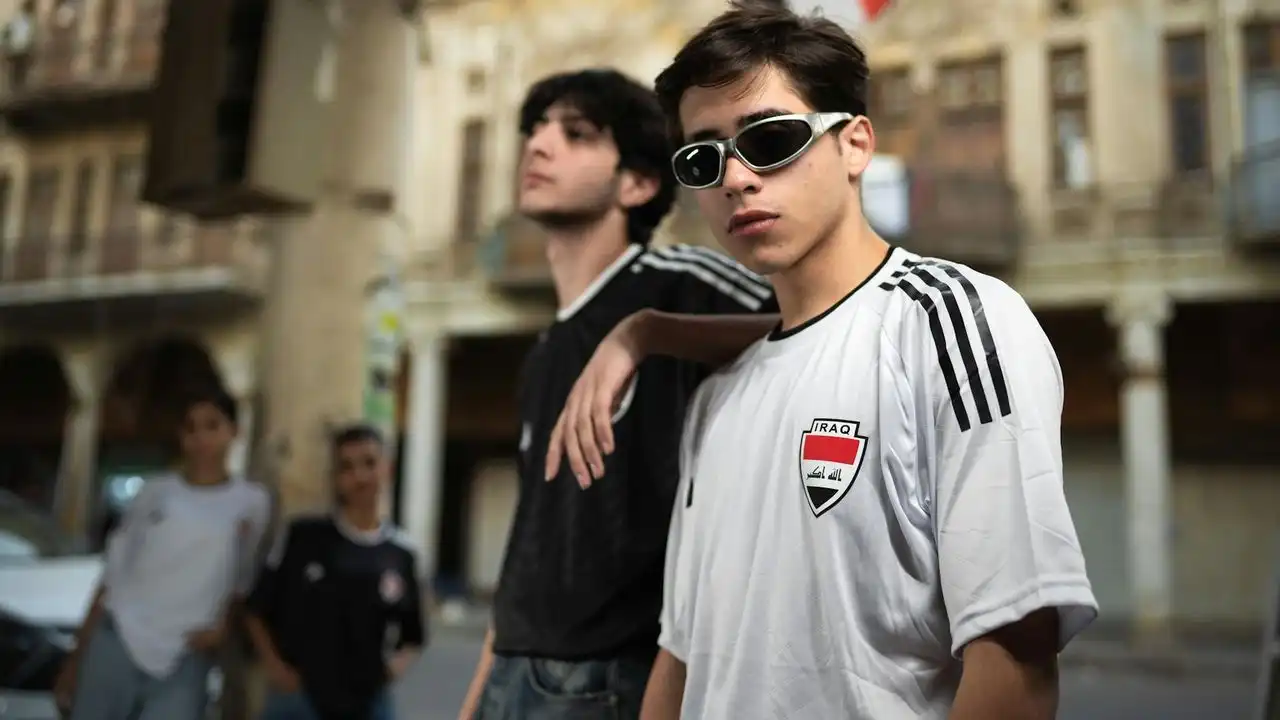
Iraqi Arabic is one of the most historically rich dialects in the Middle East.
Learning this dialect opens the door to deeply connecting with the people and culture of Iraq.
Starting a new Arabic dialect requires a clear and effective plan.
This guide provides a straightforward roadmap to help you learn Iraqi Arabic from scratch.
Table of Contents:
What makes Iraqi Arabic unique?
Iraqi Arabic is also known as Mesopotamian Arabic.
It has a heavy influence from ancient regional languages like Aramaic and Akkadian.
It also borrows many vocabulary words from Persian and Turkish.
Linguists generally divide Iraqi Arabic into two main groups.
These are the Gelet dialects and the Qeltu dialects.
The Gelet dialect is spoken in Baghdad and the southern regions.
Most modern learning materials focus entirely on the Baghdad Gelet dialect.
The Qeltu dialect is primarily spoken in the northern parts of the country.
Why learn spoken Iraqi instead of MSA?
Modern Standard Arabic (MSA) is the formal language of the media and literature.
Nobody speaks MSA natively as their everyday language.
If your goal is to talk to Iraqi people, you must learn the spoken dialect.
Speaking MSA in the streets of Baghdad will make you sound like a news broadcaster.
Locals will understand you, but you’ll struggle to understand their natural responses.
Focusing on the spoken Iraqi dialect from day one is the smartest choice for real conversation.
Essential Iraqi Arabic vocabulary
Start your journey by memorizing a few high-frequency Iraqi words.
These are words that Iraqis use constantly in daily conversation.
| English | Iraqi Arabic | Transliteration |
|---|---|---|
| How are you? (to a male) | شلونك؟ | shlonak? |
| How are you? (to a female) | شلونج؟ | shlonich? |
| There is / There isn’t | أكو / ماكو | aku / maku |
| A lot / Very | هواية | hwaya |
| Now | هسة | hassa |
| I | آني | ani |
| Good / Okay | زين | zeyn |
Here’s an example of a very basic Iraqi greeting using some of these words.
مرحبا، شلونك؟
آني زين هواية، الحمدلله.
Pronunciation tips for beginners
Iraqi Arabic uses a few sounds that don’t exist in standard Arabic.
You’ll frequently hear the hard “g” sound.
For example, the word for heart is pronounced galb instead of qalb.
You’ll also hear the “ch” sound very often.
The Iraqi word for dog is chalab instead of kalb.
Learning these specific sound shifts will instantly improve your listening comprehension.
Best resources to learn Iraqi Arabic
Finding good materials for Iraqi Arabic can be difficult.
Many mainstream language apps completely ignore the Iraqi dialect.
Here are the best tools available for beginners.
1. Talk In Arabic
Talk In Arabic is the most comprehensive tool for learning spoken Iraqi Arabic.
We provide structured lessons, audio clips, and transcripts entirely focused on the Iraqi dialect.
You get access to real native speakers naturally talking about everyday topics.
2. italki
italki is an excellent platform for finding a private Iraqi tutor.
You can book affordable one-on-one video sessions to practice your speaking skills.
3. The Living Arabic Project
The Living Arabic Project is a fantastic online dictionary that includes Iraqi Arabic.
You can search for words in English or Arabic to find the exact dialect pronunciation.
Practical tips for your learning journey
Listen to Iraqi media every single day.
You can find plenty of Iraqi music, podcasts, and television shows on YouTube.
Don’t worry about perfect grammar in the beginning.
Focus entirely on building your vocabulary and speaking out loud.