
Essential Iraqi Arabic Slang And Street Expressions You Need To Know

Author
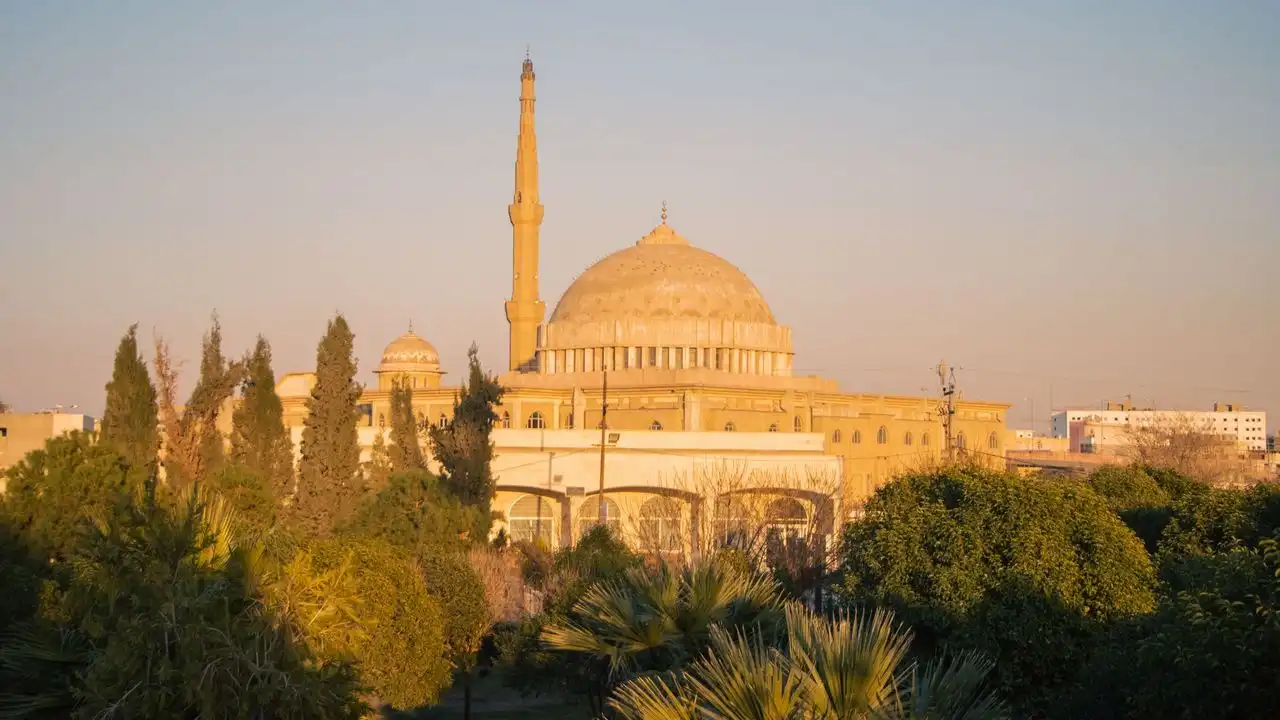
Learning Iraqi Arabic slang is the best way to sound natural when speaking with locals.
Textbooks usually teach formal words that nobody uses on the streets of Baghdad.
Street expressions give you a direct window into the daily life and humor of Iraqi people.
Here are the most essential slang words you’ll hear everywhere in Iraq.
These words will immediately help you connect with native speakers.
Table of Contents:
Common everyday slang words
You need to know a few basic filler words and common terms to follow an Iraqi conversation.
These words slip into almost every sentence natively.
Here’s a quick table of the most common everyday Iraqi slang words.
| Iraqi Word | Transliteration | Meaning |
|---|---|---|
| خوش | Khoosh | Good / Okay |
| يا معود | Ya m3awed | Dude / Come on man |
| ماكو | Maku | There isn’t / Nothing |
| لعد | La’ad | Then / In that case |
Let’s look at how to use khoosh.
It comes from Persian and simply means “good” or “okay”.
You can use it as an adjective or just as a way to agree with someone.
هو خوش رجال.
خوش، باچر اجي.
Another absolute essential is ya m3awed (for a male) or ya m3awda (for a female).
This literally translates to something like “oh saved one” but it’s used just like “dude” or “come on, man” in English.
It can express frustration, pleading, or just casual emphasis.
يا معود، يلا فضها!
Greeting and reaction slang
Iraqis are incredibly warm and expressive people.
Their greetings and reactions to good news reflect this deep hospitality.
The most famous Iraqi greeting is shaku maku.
It literally means “what is there, what isn’t there?”
It’s the exact equivalent of asking “what’s up?” or “what’s new?”.
شكو ماكو؟ شلونك؟
صافي دافي، الحمدلله.
Notice the response safi dafi in the example above.
This is a fun rhyming street expression that means everything is calm and quiet.
Another beautiful Iraqi slang word is fidwa.
This word technically means “sacrifice”.
Iraqis use it to say someone is incredibly cute or to express deep affection.
You’ll often hear mothers say this to their children.
فدوة شگد حلو!
You’ll also hear aghati used frequently as a term of deep respect.
It comes from a Turkish word for “lord” or “master”.
Iraqis use it with friends and elders to show endearment and respect.
Descriptive slang for people and situations
Every dialect has colorful words to describe specific types of people or chaotic situations.
Iraqi Arabic has some very accurate slang for these moments.
Here are a few common descriptive slang words.
| Iraqi Word | Transliteration | Meaning |
|---|---|---|
| هوسة | Hossa | A mess / Chaos |
| لوقي | Loqi | A flatterer / Suck-up |
| قفل | Qufil | Stubborn |
| بوش | Bosh | Nonsense / Empty talk |
If a situation is completely disorganized and chaotic, an Iraqi will call it a hossa.
It translates best to a “mess” or an “uproar”.
الشارع چان هوسة اليوم.
When describing people, you might hear the word loqi.
A loqi is a flatterer or a suck-up.
It’s someone who gives fake compliments to get something they want.
لا تثق بي، هذا لوقي.
You’ll also hear the word qufil used to describe stubborn people.
The word literally means “padlock”.
When an Iraqi says someone is qufil, it means their mind is locked and they refuse to change their opinion.
Summary of Iraqi street expressions
Learning these words will make a huge difference in your Iraqi Arabic comprehension.
Pay attention to how locals use terms like shaku maku or khoosh and copy their intonation.