
Hejazi Vs Najdi: Understanding The Different Saudi Arabic Dialects

Author
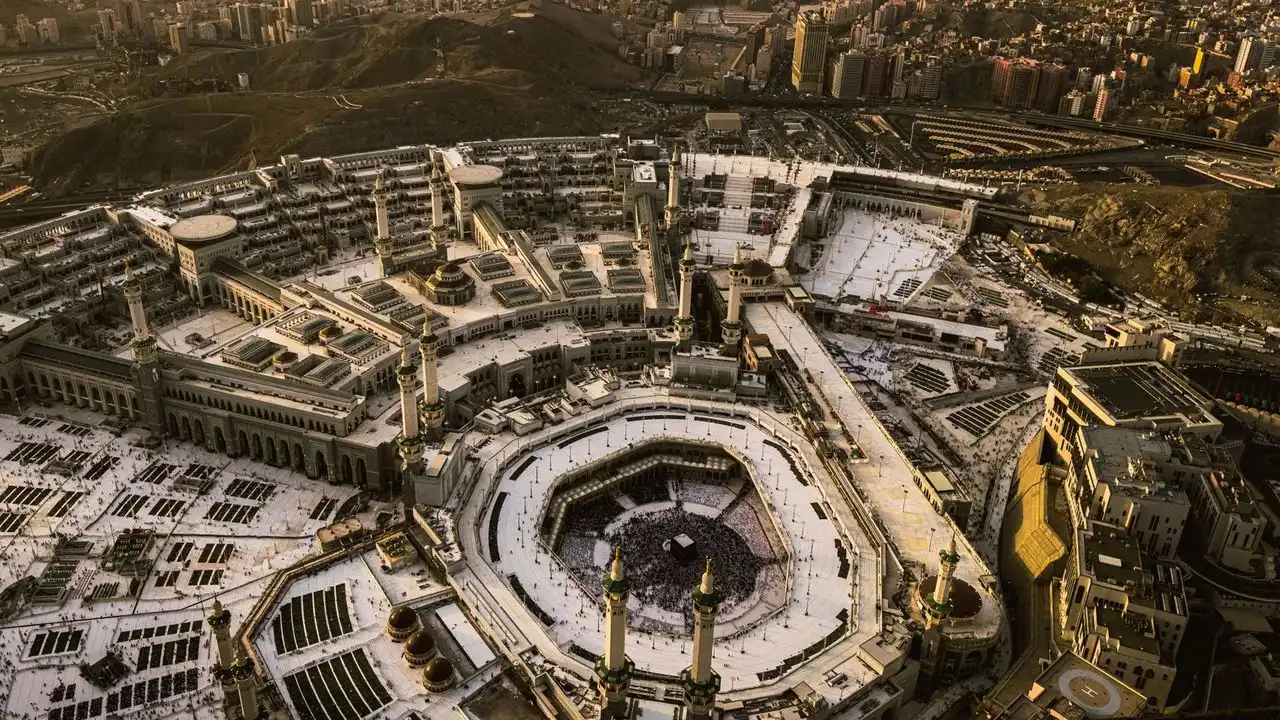
Saudi Arabia is a massive country with several distinct regional dialects.
The two most prominent and widely spoken dialects are Hejazi and Najdi.
Understanding the difference between these two will help you communicate much more effectively across the Kingdom.
Hejazi Arabic is spoken in the western region, including cities like Jeddah, Mecca, and Medina.
Najdi Arabic is spoken in the central region, which includes the capital city of Riyadh.
Because of trade and religious pilgrimages, Hejazi has absorbed influences from Egyptian and Levantine Arabic over the centuries.
Najdi Arabic has remained more geographically isolated.
This historical isolation means Najdi shares closer ties to older Bedouin dialects and Classical Arabic.
Table of Contents:
Pronunciation differences
The way speakers pronounce certain consonants is a major giveaway of their region.
Both dialects typically pronounce the letter qaf (ق) as a hard “g” sound.
However, Najdi Arabic has a very unique feature regarding the letter kaf (ك).
In many Najdi regions, the kaf is pronounced as a “ts” sound when speaking to a female.
If you say “your book” to a woman in Hejazi, it sounds like kitabik.
In Najdi, this same word often sounds like kitabits.
Another difference is the way vowel sounds are stretched.
Hejazi Arabic tends to have a softer, more relaxed intonation.
Najdi Arabic is known for a sharper, more staccato rhythm.
Present tense grammar
Grammar rules vary slightly between the two regions.
The most noticeable difference is how they form present tense verbs.
Hejazi Arabic uses the prefix b- (بـ) before a present tense verb to show ongoing action.
This is very similar to how Egyptian and Levantine Arabic work.
If a Hejazi speaker wants to say “I’m going”, they add the b- to the front of the verb.
أنا بروح
Najdi Arabic doesn’t use this b- prefix for the present tense.
Instead, a Najdi speaker will just use the base present tense verb.
أنا أروح
This single grammatical difference makes it very easy to spot a Hejazi speaker.
Vocabulary comparison
Everyday words differ significantly between the western and central regions.
Hejazi vocabulary often overlaps with neighboring Arab countries.
Najdi vocabulary remains highly specific to the Arabian Peninsula.
I’ve broken down some of the most common everyday words into a simple table.
| English | Hejazi Arabic | Najdi Arabic |
|---|---|---|
| Now | دحين (dahiin) | الحين (alhiin) |
| What | إيش (eesh) | وش (wush) |
| Very | مرة (marra) | قوة (quwwa) / مرة (marra) |
| Yes | أيوة (aywa) | إي (ee) |
| Look / See | شوف (shoof) | ناظر (naadhir) / شوف (shoof) |
Notice how the word for “now” is completely different.
A Hejazi speaker will almost always say dahiin while a Najdi speaker says alhiin.
إيش بتسوي دحين؟
وش تسوي الحين؟
Choosing the right dialect for you
Picking between Hejazi and Najdi depends entirely on your personal goals.
If you plan to live or work in Riyadh, Najdi Arabic is the most practical choice.
If you’re moving to Jeddah for business or doing religious pilgrimage, Hejazi is ideal.
Hejazi is generally considered slightly easier for beginners.
This is because its grammar and vocabulary share similarities with other widely learned dialects.
Najdi provides a fantastic foundation if you want to understand deeply traditional Bedouin poetry and culture.
Both dialects are widely understood throughout the entirety of Saudi Arabia.
You won’t face major communication barriers regardless of which one you choose.
Pick the dialect that aligns best with your travel plans and stick with it.