
How To Learn Saudi Arabic

Author
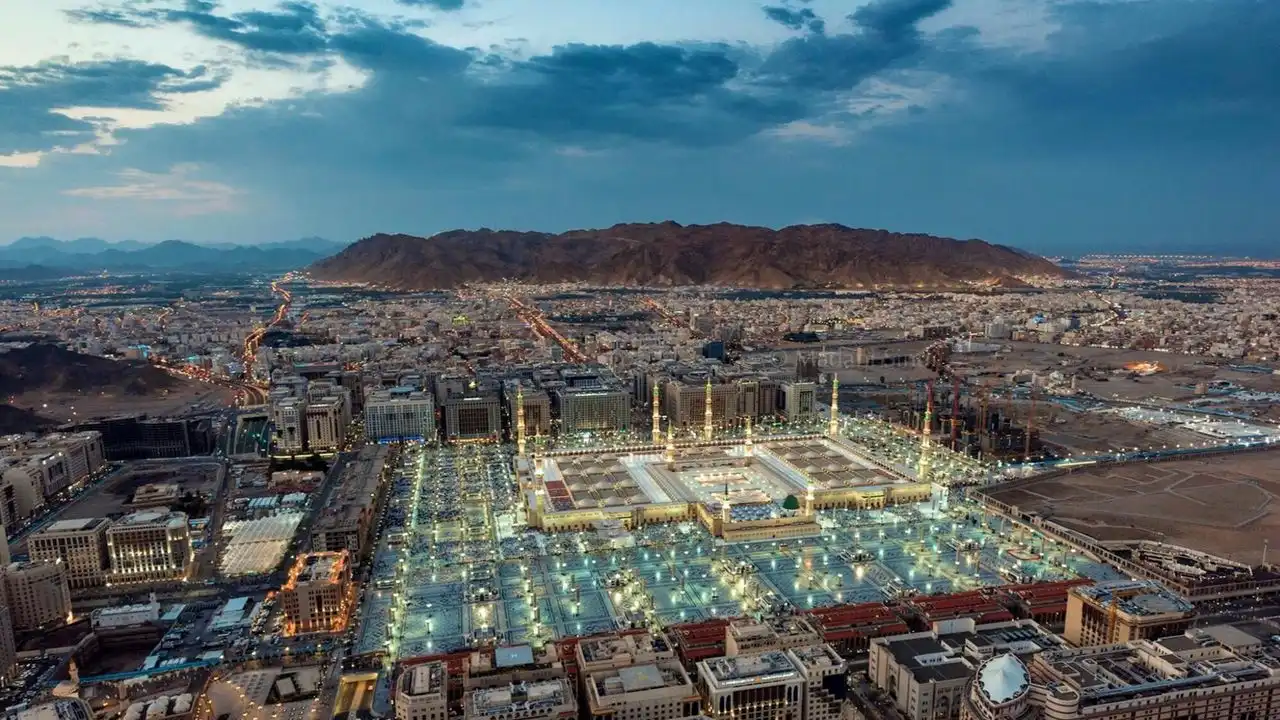
Saudi Arabic is the native spoken language of millions of people living in the Kingdom of Saudi Arabia.
Learning this spoken dialect leads to authentic conversations, business opportunities, and deep cultural connections.
Many learners make the mistake of starting with formal Arabic, only to realize nobody speaks it on the streets of Riyadh or Jeddah.
This guide covers everything you need to start speaking and understanding Saudi Arabic right away.
Table of Contents:
The main Saudi Arabic dialects
Saudi Arabia is a massive country with a rich and diverse history.
Because of this size, there’s no single “Saudi Arabic” dialect.
There are three primary regional dialects you’ll encounter depending on where you travel.
Najdi Arabic is spoken in the central region, which includes the capital city of Riyadh.
Hijazi Arabic is spoken in the western region, which covers major cities like Jeddah, Mecca, and Medina.
Gulf Arabic (also known as Khaleeji) is spoken in the eastern province around cities like Dammam and Dhahran.
Most foreigners and beginners start with the Hijazi dialect.
Hijazi Arabic is widely understood across the country and is generally considered easier to pronounce.
Saudi Arabic vs Modern Standard Arabic
Modern Standard Arabic (MSA) is the formal language of news broadcasts, official documents, and literature.
Nobody speaks MSA natively as a mother tongue.
If you speak MSA to a shopkeeper in Saudi Arabia, they’ll understand you, but you’ll sound like a walking Shakespearean play.
Spoken Saudi Arabic is the language of daily life, family, friends, and casual business interactions.
Saudi Arabic simplifies many of the complex rules found in MSA.
It drops strict grammatical case endings and uses entirely different everyday vocabulary.
Your ultimate goal should be to learn the spoken dialect of the region you plan to visit or live in.
Essential Saudi Arabic phrases for beginners
Learning a few basic phrases will instantly earn you respect from local Saudis.
Saudis are incredibly welcoming and appreciate any effort made by foreigners to speak their language.
Here are a few introductory dialogues you can use right away.
هلا وغلا
كيفك؟
كيفِك؟
أنا بخير، الحمد لله
Below is a quick reference table of common everyday Saudi vocabulary.
| English | Transliteration | Saudi Arabic |
|---|---|---|
| Yes | Aywa / Eeh | أيوة / إيه |
| No | La | لا |
| Please | Law samaht | لو سمحت |
| Thank you | Shukran | شكراً |
| Let’s go | Yallah | يلا |
| Okay / Fine | Tayyib | طيب |
Basic Saudi Arabic grammar rules
Grammar in spoken Saudi Arabic is much more forgiving than in formal Arabic.
You don’t need to memorize complicated noun declensions or case endings.
Word order is very flexible, though most casual sentences follow a Subject-Verb-Object structure.
You simply place the subject first, followed by the action.
Here’s a breakdown of the basic personal pronouns in Saudi Arabic.
| English | Transliteration | Saudi Arabic |
|---|---|---|
| I | Ana | أنا |
| You (masculine) | Ita / Anta | إنتَ |
| You (feminine) | Iti / Anti | إنتِ |
| He | Huwa | هو |
| She | Hiya | هي |
| We | Ihna / Hinna | إحنا / حنّا |
| They | Humma | هم |
To make a sentence negative, you usually just place the word ma (ما) before the verb.
For example, ma a’rif (ما أعرف) means “I don’t know”.
The best resources to learn Saudi Arabic
Finding high-quality materials for spoken Saudi Arabic used to be incredibly difficult.
Most language companies only focus on Egyptian, Levantine, or formal Arabic.
Today, there are a few excellent platforms that’ll help you reach conversational fluency.
1. Talk In Arabic
Talk In Arabic is the absolute best resource for learning spoken Saudi Arabic online.
Our platform focuses exclusively on real spoken dialects, rather than useless formal textbook language.
You get access to hundreds of audio and video lessons recorded by native Saudi speakers.
2. iTalki
iTalki is a great platform for finding one-on-one conversational tutors.
You can filter teachers by their specific country and region.
This allows you to easily find a tutor who speaks the exact Najdi or Hijazi dialect you want to learn.
3. Mango Languages
Mango Languages is a popular app that offers a dedicated course for Najdi Arabic.
It uses color-coded grammar highlights to help you understand sentence structure.
It’s a great supplementary tool for drilling vocabulary and basic phrases.
Here’s a quick summary table of the best resources to get started.
| Resource | Best For | Format |
|---|---|---|
| Talk In Arabic | Comprehensive Saudi dialect immersion | Audio, Video, Transcripts |
| iTalki | Live conversation practice | 1-on-1 Video Calls |
| Mango Languages | Grammar breakdowns and vocab drilling | Mobile App / Desktop |
Consistency is the most important factor when learning any new language.
Choose your preferred Saudi dialect, find a great resource, and start speaking from day one.