
The Main Differences Between Egyptian And Sudanese Arabic

Author
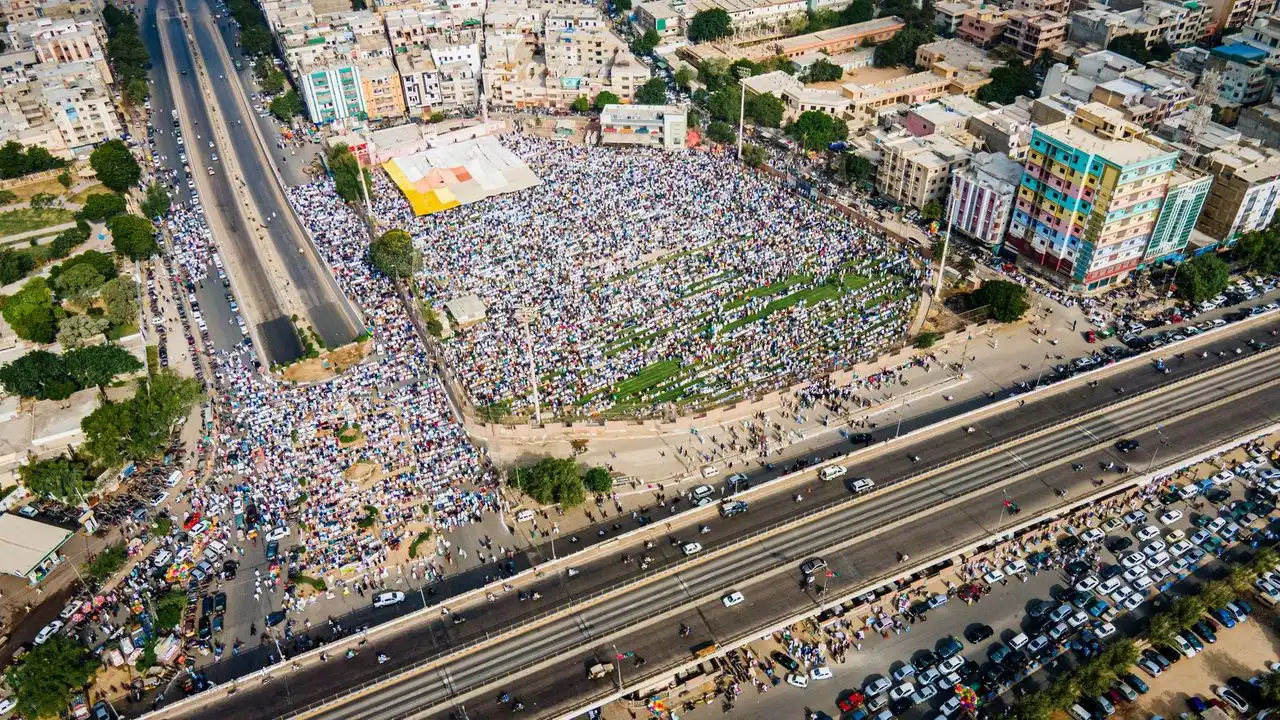
Egyptian and Sudanese Arabic share a long geographical border and a rich linguistic history.
Many Arabic learners mistakenly assume these two dialects are almost identical.
They actually have very distinct differences in pronunciation, vocabulary, and grammar.
Sudanese Arabic is heavily influenced by classical Arabic and local indigenous languages.
Egyptian Arabic has its own unique flavor shaped by historical Coptic, Turkish, and French influences.
Understanding these key differences will help you communicate much more effectively in both countries.
Table of Contents:
Pronunciation and phonetic shifts
The most obvious difference between the two dialects is how certain consonant letters are pronounced.
The letter jeem (ج) is famously pronounced as a hard “g” in Egyptian Arabic.
Sudanese Arabic retains the classical “j” sound for this exact same letter.
For example, the word for “beautiful” is gamil in Egypt but jamil in Sudan.
Another major phonetic shift happens with the letter qaf (ق).
Egyptian Arabic usually drops the qaf entirely and replaces it with a glottal stop (a catch in the throat).
Sudanese Arabic almost always pronounces the qaf as a hard “g” sound.
This means the word for “heart” is pronounced ‘alb in Egyptian and galib in Sudanese.
Everyday vocabulary differences
Everyday vocabulary varies drastically when you cross the border from Egypt into Sudan.
Sudanese Arabic often uses words that sound completely foreign to Egyptian speakers.
You’ll need to learn a new set of highly common words to sound natural in Sudan.
Here’s a comparison of some of the most common daily words in both dialects.
| English | Egyptian Arabic | Sudanese Arabic |
|---|---|---|
| Now | delwa’ti (دلوقتي) | hassa (هسة) |
| Good / Beautiful | kwayyes (كويس) | samih (سمح) |
| Very / Much | awi / geddan (أوي / جداً) | shadeed (شديد) |
| What’s up? | عامل إيه؟ (amel eih?) | shakhbarak? (شخبارك؟) |
| A little bit | shwayya (شوية) | habbaba (هبابة) |
Grammar and verb negation
Grammar rules regarding verb negation show a very clear split between the two dialects.
Egyptian Arabic uses a two-part sandwich negation structure.
It places ma (ما) before the verb and adds the suffix sh (ش) at the end.
Sudanese Arabic keeps negation much simpler by only using ma before the verb.
You don’t add the sh suffix at the end of the verb in Sudanese Arabic.
If you want to say “I don’t know” in Egyptian, you’d say ma ba’rafsh.
In Sudanese Arabic, you simply say ma ba’rif.
ما بعرف
This straightforward negation rule applies to almost all verbs in Sudanese Arabic.
ما داير أمشي
Common question words
Question words are essential for basic communication and small talk.
The words you use to ask questions in Khartoum are quite different from the ones used in Cairo.
Egyptian question words often come at the end of the sentence, while Sudanese question words follow a more flexible or traditional structure.
Here’s a breakdown of the basic question words in both dialects.
| English | Egyptian Arabic | Sudanese Arabic |
|---|---|---|
| What? | eih? (إيه؟) | shinu? (شنو؟) |
| Where? | fein? (فين؟) | wein? (وين؟) |
| How? | ezzay? (إزاي؟) | keif? (كيف؟) |
| When? | emta? (إمتى؟) | mitein? (متين؟) |
| Why? | leih? (ليه؟) | leih? (ليه؟) |
Learning these simple structural and vocabulary differences will bridge the gap between the two dialects.
You can easily adapt your Arabic to fit whichever country you’re communicating with.