
How To Learn Tunisian Arabic

Author
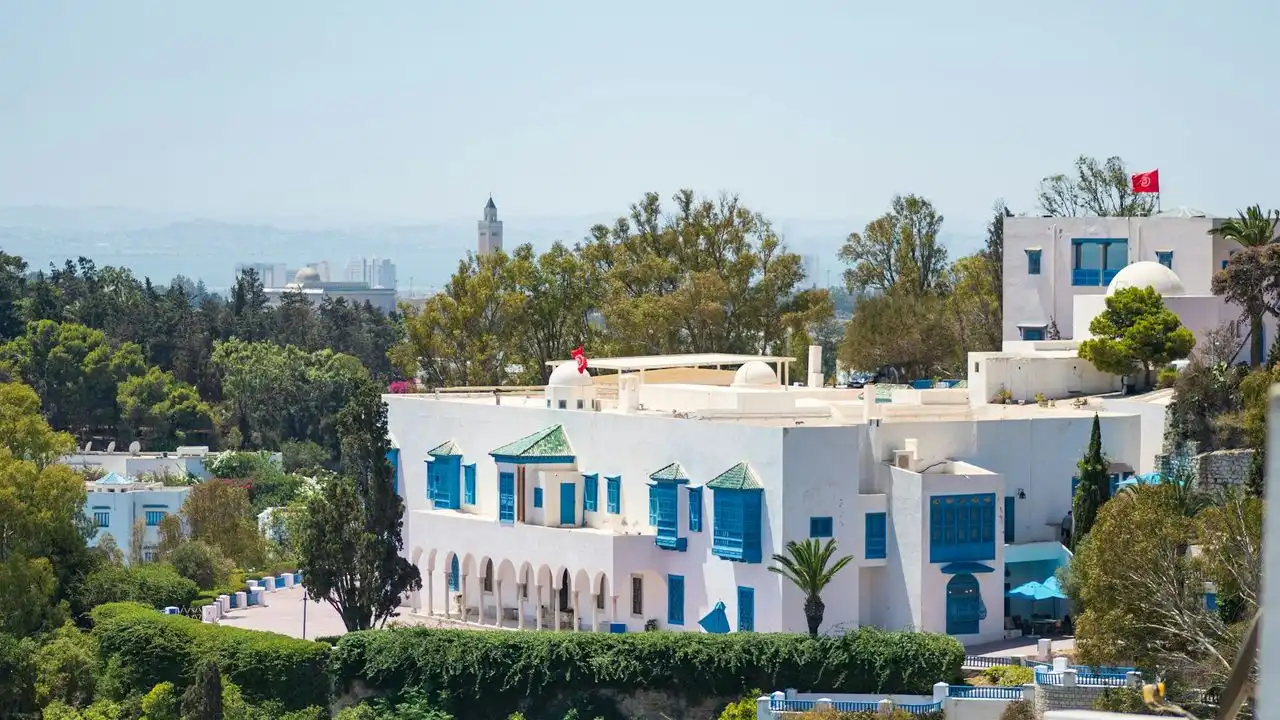
Tunisian Arabic is a deeply fascinating dialect that blends Arabic with French, Italian, and Berber influences.
Learning it opens doors to connecting with millions of welcoming people across North Africa.
Beginners often notice that it sounds very different from traditional Arabic.
You can master this dialect quickly by following a structured approach and focusing on practical communication.
This guide will show you exactly how to start learning Tunisian Arabic today.
Table of Contents:
What makes Tunisian Arabic unique
Tunisian Arabic is locally known as Derja or Tounsi.
It’s the primary spoken language of Tunisia.
The vocabulary is heavily influenced by the country’s rich history.
You’ll hear a lot of French words mixed directly into everyday Arabic sentences.
There are also many words borrowed from Italian, Spanish, and indigenous Berber languages.
This mix makes it incredibly unique and fun to learn.
Step 1: Start with pronunciation and the alphabet
Your very first goal should be getting used to the sounds of the language.
Tunisian Arabic has certain sounds that don’t exist in English.
You need to train your ear to recognize these guttural consonants early on.
I highly recommend learning the Arabic alphabet immediately.
Many beginners try to rely entirely on Arabizi, which is Arabic written with Latin letters and numbers.
Using Arabizi is helpful for texting, but relying on it completely will hurt your pronunciation long-term.
Take a few days to learn the Arabic letters so you can read proper learning materials.
Step 2: Memorize high-frequency phrases
Don’t start by burying your head in complex grammar books.
You’ll make much faster progress by memorizing the most common everyday phrases.
Knowing basic greetings allows you to start having small interactions right away.
Here are a few essential Tunisian Arabic phrases to get you started:
| English | Transliteration | Tunisian Arabic |
|---|---|---|
| Hello | Aslema | عسسلامة |
| How are you? | Chnowa 7welek? | شنوة أحوالك؟ |
| Good morning | Sbe7 el khir | صباح الخير |
| Thank you | Aychk | عيشك |
| Please | Aman | أمان |
| Goodbye | Beslama | بسلامة |
Practice saying these out loud until they feel completely natural.
Step 3: Embrace the loanwords
You already have a head start on Tunisian Arabic vocabulary if you know any French.
Tunisians frequently code-switch between Arabic and French.
Words like merci (thank you), dakourdo (okay, from Italian d’accordo), and barcha (a lot) are used constantly.
Don’t worry about speaking “pure” Arabic.
Speak exactly how the locals speak.
Using these loanwords will make you sound much more natural and authentic.
Step 4: Prioritize speaking over Modern Standard Arabic
Many traditional courses will push you to learn Modern Standard Arabic (MSA) first.
This is a massive mistake if your goal is to talk to Tunisian people.
Nobody speaks MSA in their daily life in Tunisia.
If you speak MSA on the streets of Tunis, people will understand you, but it’ll sound like you’re speaking Shakespearean English.
Focus entirely on the spoken Derja dialect from day one.
Start speaking as soon as possible, even if you make grammatical mistakes.
Mistakes are a necessary part of the learning process.
نحب نتعلم تونسي
Best resources to learn Tunisian Arabic
Finding good study materials for dialects can be very challenging.
Most textbooks and language apps entirely ignore Tunisian Arabic.
Thankfully, there are a few excellent platforms that cater specifically to this dialect.
Here are the best resources for learning Tunisian Arabic:
-
Talk In Arabic This is our own platform, and it’s the absolute best place to learn spoken dialects. We provide high-quality audio, video, and written lessons specifically for Tunisian Arabic so you can practice at your own pace.
-
iTalki You need to practice speaking with real people to achieve fluency. This platform connects you with native Tunisian tutors for highly affordable, one-on-one video lessons.
-
TuneIn Radio Listening to native audio is the best way to improve your listening comprehension. You can use this free site to stream live Tunisian radio stations in the background to get used to the rhythm of the language.