
Tunisian Arabic Vs. Modern Standard Arabic: Key Differences Explained

Author
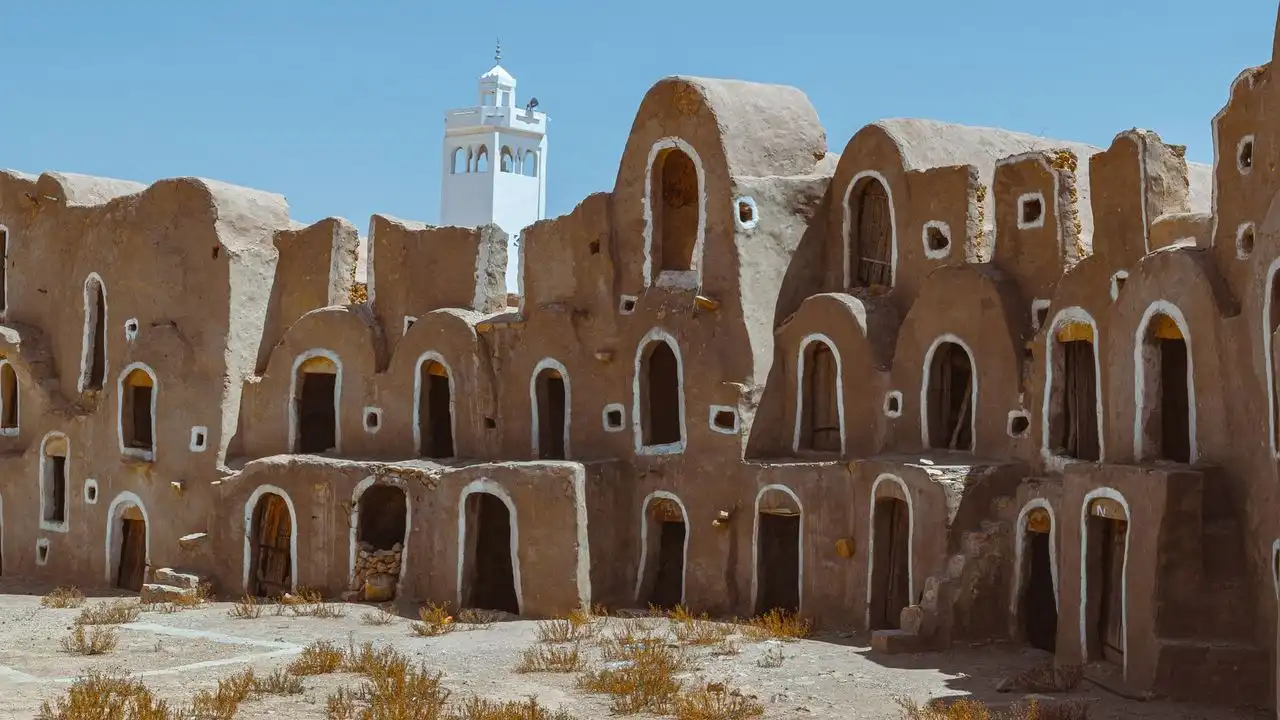
Tunisian Arabic and Modern Standard Arabic are very different from each other.
Modern Standard Arabic is the formal written language used across the Arab world.
Tunisian Arabic is the native spoken language of Tunisia.
Tunisians use their local dialect for daily conversations, texting, and social media.
Understanding the gap between these two will save you a lot of confusion.
I’ll break down the biggest differences so you know exactly what to expect.
Table of Contents:
Vocabulary and foreign loanwords
Tunisian Arabic is famous for mixing Arabic with other languages.
Because of its history and geography, Tunisian vocabulary is full of French, Italian, and Berber words.
Modern Standard Arabic relies completely on native Arabic roots.
When you speak to someone in Tunisia, you’ll hear a unique blend of these languages.
Sometimes Tunisians will use a French word, an Italian word, and an Arabic word in the exact same sentence.
Here are some common words that show how different the vocabulary is.
| English | Modern Standard Arabic | Tunisian Arabic | Origin of Tunisian Word |
|---|---|---|---|
| Fork | Shawka (شوكة) | Farchita (فرشيطة) | Italian (Forchetta) |
| Train | Qitar (قطار) | Tran (تران) | French (Train) |
| A lot / Very | Jiddan (جداً) | Barcha (برشا) | Turkish / Berber |
| Car | Sayyara (سيارة) | Karhba (كرهبة) | Local Tunisian |
Pronunciation and vowel dropping
Modern Standard Arabic uses clear, distinct short vowels in almost every word.
Tunisian Arabic speakers usually drop these short vowels entirely.
This vowel dropping makes Tunisian Arabic sound much faster than formal Arabic.
It also creates consonant clusters, meaning multiple consonant sounds are pushed directly together.
For example, the formal word for “book” is pronounced kitab with a clear “i” sound.
In Tunisian Arabic, it becomes ktab.
The pronunciation of certain letters also changes depending on where you are in Tunisia.
The Arabic letter “qaf” (ق) is sometimes pronounced as a hard “g” sound in southern Tunisia, but it stays a “q” sound in the capital city.
Grammar and sentence structure
Modern Standard Arabic uses a complex system of grammatical case endings.
These case endings change the final vowel of a word depending on its role in the sentence.
Tunisian Arabic completely ignores these case endings.
This actually makes speaking Tunisian Arabic much easier for beginners to learn.
Another major grammar difference is how you say “no” or make a sentence negative.
Negation in formal Arabic uses separate words like la, lam, or lan before the verb.
Tunisian Arabic uses a two-part “sandwich” negation with ma before the verb and ch attached to the end.
لا أعرف. (MSA)
ما نعرفش. (Tunisian)
Verb conjugations and tenses
Verb conjugation in Tunisian Arabic is much simpler than in formal Arabic.
The biggest difference you’ll notice is in the first-person present tense.
In formal Arabic, the prefix “a” is used for “I” and the prefix “na” is used for “we”.
In Tunisian Arabic, the prefix “n” is used for “I”.
To say “we” in Tunisian, you use the prefix “n” but add the suffix “ou” to the end of the verb.
Here’s a quick table showing the present tense for the verb “to write”.
| English | Modern Standard Arabic | Tunisian Arabic |
|---|---|---|
| I write | Aktubu (أكتب) | Nekteb (نكتب) |
| We write | Naktubu (نكتب) | Nektbou (نكتبوا) |
Tunisian Arabic also uses entirely different words to mark the future tense.
Formal Arabic uses the prefix “sa” (س) attached directly to the beginning of the verb.
Tunisian Arabic uses the standalone word “bech” (باش) before the verb.
سأسافر. (MSA)
باش نسافر. (Tunisian)