




Arabic Blog

Saudi Arabic: What do you mean?
If you've ever wanted to know how to clarify yourself or someone else (talking about the meaning of something or what a person means by what they're saying) in Saudi Arabic, this will help you.
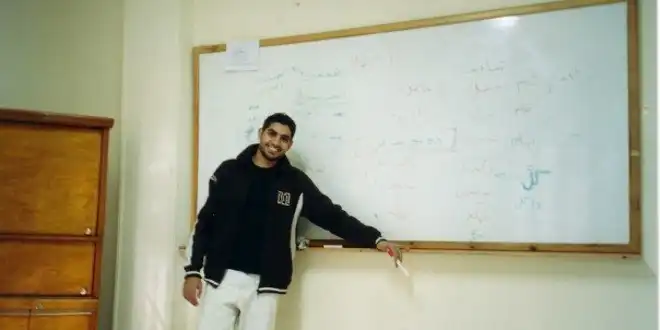
Why You Shouldn't Learn Modern Standard Arabic Before A Dialect
One of the most common questions asked by learners of Arabic is 'should I learn Modern Standard Arabic or a dialect first'? Learn a dialect. Here's why.
How Iraqi people say that there is or isn't something in their dialect
Today you’re going to hear how Iraqis say that there is or isn't something. It's quite different from the other dialects as you'll see. :)
Talking about certainty in Syrian Arabic
Talking about certainty (being sure about something) in Levantine Arabic is a piece of cake. Here you'll hear a Syrian native speaker demonstrate how it's done.
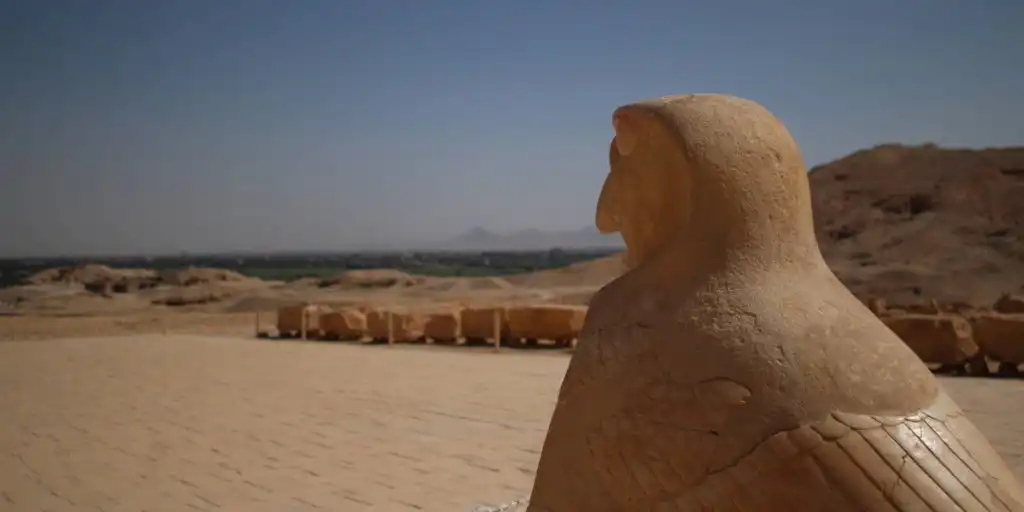
5 Great Reasons Why You Should Start Learning Arabic
If you haven't yet started learning Arabic and are still sitting on the fence as to whether or not you should, then this might be a good little motivator for you.
Comparatives in Sudanese Arabic
Comparing two things in Sudanese Arabic is very simple but as you're about to hear, native speakers don't always conform to the rules of grammar. Have a listen.
How to say "about" or "approximately" in Tunisian Arabic
Today you’ll hear how native Tunisian Arabic speakers say about or approximately.
How Sudanese Arabic speakers use adverbs of frequency
Here you'll get to hear how Sudanese speakers from Darfur use the most common adverbs of frequency in their dialect of Arabic.
Using prepositions of place in Tunisian Arabic
Today you'll hear a Tunisian native speaker using and demonstrating prepositions of place in his dialect.
Here's an update on what we've been doing at TalkInArabic.com...
I wanted to give you a quick update on what's been happening with TalkInArabic.com project as it's now been up for a few weeks.
Egyptian Arabic: How To Say You Can Or Can't Do Something
There are various ways to tell someone you can or can't do something in Egyptian Arabic. In this example, the native speaker uses the verb to know to talk about ability (in other words, 'I know how to...').
Lebanese Arabic: "As soon as" something happens
If you've ever wondered how to say that something will happen as soon as something else, here it is in Levantine Arabic. You'll hear how it's done in Lebanon.